
Bringing an idea for a Unique Product to realization as a marketable solution involves more than being a creative individual; it involves a systematic and structured approach to the actual business of Industrial Product Development. The process of product development includes all the steps taken to go from the initial idea and the concept and design phase, through the Prototyping and Testing phases, and ultimately into Production of the Product. For firms to distinguish themselves in a very competitive environment, they must develop a balance of Innovation and Practical Feasibility into their products so that the products can be attractive to consumers, yet still have the capability to be produced, tested, and sold. 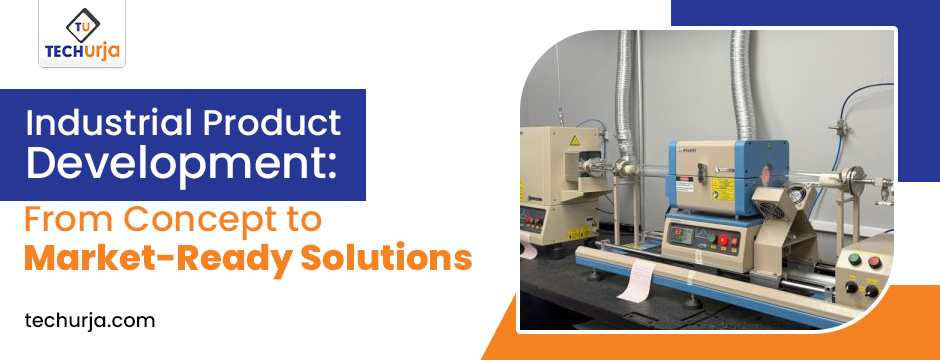
An Innovative Industrial Product requires a combination of the following areas of specialization: Engineering Design, Materials Science, and Manufacturing Process. The Innovative Firm must take advantage of the multiple disciplines within the above areas of specialisation in order to minimise the development cycle, while at the same time minimising the development cost and risks associated with developing a New Product.
Businesses use outside resources to assist them in developing products, including prototyping and engineering optimization support for validation of their concept or idea before full-scale production. By using such Support Services, Innovative companies are better able to detect potential design flaws sooner and refine their products for optimum performance based on consumer expectations. This article will detail the product development process and how Innovative Firms turn their concepts into commercially viable Products.
Understanding the Industrial Product Development Lifecycle
The journey of developing an industrial product starts with an idea. Normally, this stage is fed by market research, customer feedback, and technological trends. A clear understanding of the users’ needs and pain points is very important, as it forms a basis for design decisions.
Conceptualization and Ideation
This stage involves creative brainstorming sessions and feasibility studies. Several concepts are developed in order to narrow down the search to the most promising design. Major activities include the identification of functional requirements, the setting of target specifications, and the assessment of the technological feasibility for each concept.
Product Design Process
Once the concept is chosen, the product design process starts. This involves engineers and designers taking ideas and turning them into highly detailed drawings and technical specifications. Digital modeling, along with CAD software, enables accurate visualization of how the end product will appear and function. Incorporating user-centered design principles into the design phase ensures that the product is intuitive, ergonomic, and meets market expectations.
Prototyping Services
Coming after design, this service forms a very important link between theory and practice. Prototyping allows the engineers to perform tests on form, fit, and function while showing potential design flaws. The rapid prototyping techniques involved include 3D printing and CNC machining. All these help to speed up development cycles, cut costs, and improve overall product quality.
Engineering Development and Optimization
Engineering optimization is where concepts take shape as functional, reliable solutions. This phase involves mechanical, electrical, and software engineering to ensure that the product meets performance, safety, and regulatory standards.
Testing and Validation
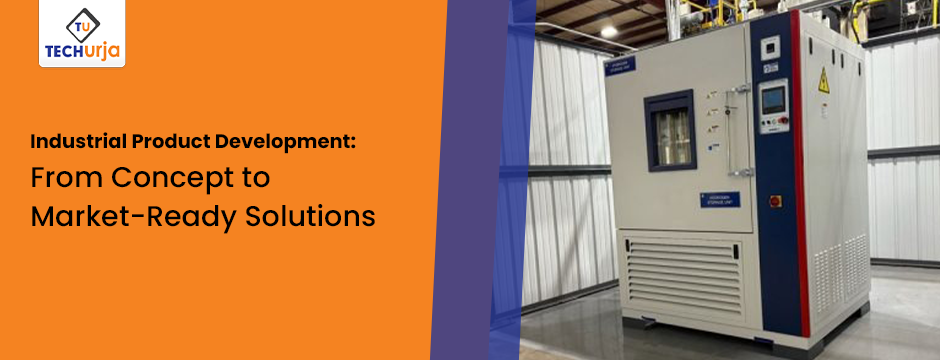
Rigorous testing and validation processes are integral to engineering optimization. Products undergo stress testing, durability assessments, and safety checks to verify performance under real-world conditions. These steps help minimize the risk of failure, ensuring customer satisfaction and long-term reliability.
Manufacturing Innovation
Once a product has been validated, innovation becomes the focus. Advanced manufacturing techniques, such as additive manufacturing, automated assembly lines, and lean production practices, allow companies to produce high-quality products efficiently. Streamlined workflows reduce waste, improve consistency, and enable faster time-to-market, a critical advantage in today’s competitive landscape.
From Concept to Market: Strategic Considerations
Bringing a product to market is more than just production; it involves strategic planning, resource allocation, and market analysis. Key considerations include supply chain management, regulatory compliance, and intellectual property protection.
Collaboration and Communication
Successful industrial-oriented product development depends on seamless collaboration between teams, suppliers, and clients. Digital project management tools, cloud-based collaboration platforms, and transparent reporting practices ensure that every stakeholder remains aligned throughout the development cycle.
Global Sourcing and Optimization
Global sourcing allows companies to tap into specialized expertise and cost-effective materials worldwide. By leveraging international partnerships, businesses can access innovative solutions, reduce lead times, and maintain high-quality standards. TechUrja, for instance, utilizes global sourcing to optimize project delivery while ensuring quality and reliability.
Best Practices in Product Development
To successfully develop a product, a manufacturer must follow best practices to improve the process at each phase. Some examples of best practices are
- Early Validation: Utilize prototypes and simulation tools to validate concepts prior to full-scale production.
- Iterative Design: Use a flexible and adaptive design approach via Agile methodology so improvements can occur continuously.
- Cross-Functional Collaboration: Bring together engineering, design, marketing, and manufacturing departments for a more comprehensive approach.
- Data-Driven Decision Making: Utilize Data Analytics and AI-Enhanced Workflows to allocate resources more effectively and to forecast market trends.
- Sustainability: Use environmentally friendly materials and processes (green materials) in compliance with the current state of environmental regulations and to meet consumer expectations.
By implementing these Best Practices, a manufacturer can minimize development risks, reduce costs, and provide products that meet the needs of their consumers.
Emerging Trends in Industrial Product Development
The landscape in regards to the development of industrial products is evolving rapidly. Some notable trends shaping the future include:
- Digital Twin Technology: Virtual replicas of products allow engineers to test designs and predict performance without physical prototypes.
- Advanced Materials: Innovations in composites, polymers, and bio-based materials are enabling lighter, stronger, and more sustainable products.
- Automation and AI: Robotics, AI-driven design, and smart manufacturing enhance efficiency, quality, and speed.
- Circular Economy: Sustainable design and recycling initiatives are becoming integral to product development strategies.
Staying ahead of these trends is critical for companies seeking to maintain a competitive advantage and deliver market-ready products efficiently.
TechUrja: Driving Innovation and Excellence in Product Development
TechUrja’s philosophy and approach provide clients with confidence in modular waste-to-energy and/or hydrogen systems. We provide engineering design, integration support, and feasibility services to our clients and assist them in the development of these systems. This enables us to successfully collaborate with local, state, federal, and international agencies, as well as private and public companies. Our experience spans multiple jurisdictions, including, but not limited to, the United States, Costa Rica, Romania, Taiwan, Korea, India, etc.
Our objective is to develop projects and deliver them to clients utilizing numerous AI capabilities. By utilizing a diverse array of R&D and engineering methodologies, we can successfully implement and deliver projects with efficiency, effectiveness, and the highest quality. Accordingly, we employ an agile structure and globally distributed teams in order to enable us to provide transparency and responsive engagement with clients.
Our culture of innovation, efficiency, and global experience provides us with a distinct advantage. As a result of these advantages, we consistently create scalable, high-impact, and innovative solutions that meet the diverse needs of all of our clients.
Final Thoughts
Launching a product into the market can be a challenging task; it requires a careful balance between creativity, technical capability, and business planning. Industrial product development does not simply involve the manufacture of a physical object; it is about developing solutions for customers that will provide value to them both in the short term as well as the long term and can grow along with the company’s business model.
Through the integration of prototyping, design for manufacturing and use, optimization of product engineering, and innovation, companies such as TechUrja can take their ideas from concept through to commercial realization with reduced risk and maximum impact.