
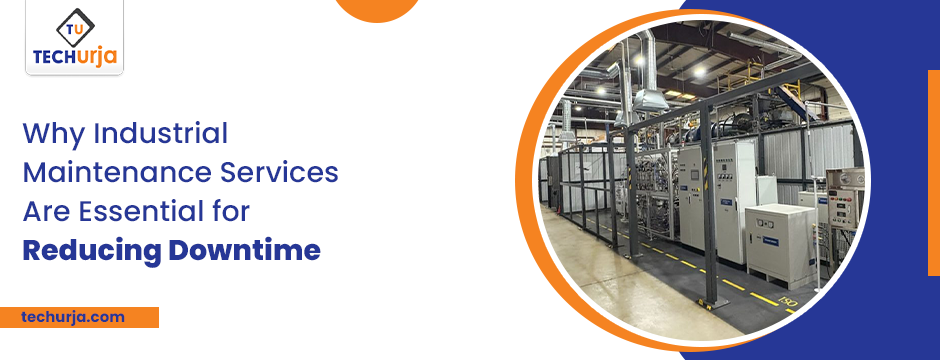
Industrial operations run on precision, consistency, and predictable output. Every machine, system, and component works under constant pressure. Heat builds. Friction increases. Workload intensifies. When machinery slows or fails, production halts immediately. Downtime then hurts revenue, schedules, and long-term trust. Many facilities feel the impact within minutes.
In today’s competitive landscape, operations cannot afford long interruptions. Efficiency depends on strong planning, smart monitoring, and timely action. That is why many industries prioritise industrial maintenance services as a core part of their operations strategy. These services protect assets, minimise risks, and support continuous productivity.
The Hidden Cost Behind Every Breakdown
Unplanned downtime causes far more damage than visible disruption. Production targets slip. Delivery commitments stretch. Workers wait for emergency solutions. Repair teams rush across the site. Every delay increases cost. Every malfunction creates stress across departments.
Downtime also shapes customer perception. Clients expect stable supply. Frequent delays weaken trust. A single major failure can push businesses toward competitors. Strong maintenance prevents these situations by ensuring steady performance across all critical systems.
Industrial maintenance services reduce surprise breakdowns and protect operational stability. Regular checks detect problems early. Planned interventions stop minor issues from turning into expensive failures.
Preventive Strategies Change Operational Outcomes
Preventive care focuses on early action. This method identifies small abnormalities before they disrupt production. Technicians inspect equipment, measure performance, and adjust components during scheduled intervals. Every check supports smoother workflow.
Facilities that follow preventive maintenance routines enjoy fewer breakdowns. Machines run cleaner. Components last longer. Production stays consistent during peak hours. Preventive care builds confidence across the organisation and strengthens long-term asset value.
When machines stay healthy, operational costs reduce. Emergency responses also shrink. Companies then focus more energy on production rather than constant troubleshooting.
Predictive Insights Offer Smarter Control
Technology enhances maintenance in powerful ways. Sensors monitor temperature, vibration, pressure, and load. Data flows in real time. Patterns reveal early warning signs. Teams act with clarity instead of waiting for failures.
Predictive maintenance uses data to guide decisions. Repairs occur at the exact moment they become necessary. This reduces unnecessary shutdowns. It also stops premature part replacements. Predictive insights support efficient planning for manpower, spare parts, and production timelines.
Operations gain stronger stability with predictive tools. Machine behaviour becomes easier to understand. Failures become easier to prevent. Productivity improves with each informed decision.
Equipment Reliability Shapes Long-Term Success
Reliable equipment ensures smooth operations, steady output, and predictable workflow. Every machine influences the entire production chain. Weak reliability in one area disrupts the whole system. Strong reliability builds momentum and supports higher productivity.
Equipment reliability strengthens business performance by reducing slowdowns and boosting consistency. Reliable machines also create safer working spaces. Stable temperatures, balanced loads, and steady cycles reduce workplace hazards.
When reliability improves, operational stress decreases. Leaders make clearer decisions. Production planning becomes easier. Long-term expansion also becomes more achievable.
Maintenance Outsourcing Provides Expert Support
Many industries now choose external partners to manage complex maintenance tasks. Skilled technicians bring experience, structured processes, and specialised tools. Internal teams then focus on core production activities instead of reactive repairs.
Maintenance outsourcing offers strong advantages. External partners maintain strict schedules. They detect issues faster. They manage compliance. They guide long-term improvements. Outsourcing also helps facilities reduce training costs and minimise technical errors.
This approach supports industries that handle advanced equipment, tight deadlines, and heavy workloads. Expert partners create stable, predictable maintenance outcomes that align with long-term operational goals.
The Role Of Industrial Maintenance In Daily Operations
Operations depend on machines that run without interruption. Even small issues impact the entire production line. Overheating, vibration, leaks, and misalignment create significant risks. Industrial maintenance services protect daily operations through structured inspections and precise adjustments.
Maintenance teams study system behaviour, test performance, and eliminate early signs of failure. They replace worn parts before breakdowns occur. They ensure consistent lubrication, proper calibration, and balanced workloads.
Regular maintenance enhances efficiency. Machines require less energy when they run correctly. This reduces operational costs and improves environmental performance. Strong maintenance also protects investments by extending equipment lifespan.
How Maintenance Improves Safety Across Facilities
Safety remains a critical priority for every industrial site. Faulty machines create hazards for workers. Sudden failures cause injuries, fires, or equipment damage. Maintenance reduces these risks and ensures safe operational flow.
Inspections identify unsafe conditions early. Technicians correct alignment, repair leaks, and stabilise equipment. These actions protect workers from dangerous situations. Safe machines create a safe environment. Safety then supports productivity and team confidence.
Maintenance Supports Sustainability Goals
Industries now aim to reduce waste, lower energy use, and achieve greener operations. Well-maintained systems support these goals naturally. Faulty equipment consumes more power. Worn-out components increase friction and require more energy.
Routine maintenance reduces power waste. Clean, calibrated machines use less energy. This creates sustainable workflow patterns that support long-term environmental targets.
Maintenance also reduces material waste by preventing major failures that require large replacements. Controlled systems extend component life and reduce unnecessary consumption.
The Impact Of Maintenance On Business Growth
Growth depends on stability. Customers trust reliable suppliers. Consistent production encourages long-term contracts. Efficient systems support higher output without raising operational risks.
Maintenance allows leaders to plan capacity expansions with clarity. They understand machine limits. They prepare for increasing workload. They avoid unexpected repair expenses that drain budgets.
Strong maintenance forms the backbone of sustainable growth. It protects assets, strengthens performance, and improves overall business resilience.
Essential Maintenance Practices For Modern Facilities
Every facility benefits from structured maintenance routines. These routines improve performance and reduce risk. Key practices include:
- Daily performance checks
- Regular inspections of critical components
- Early replacement of worn parts
- Continuous monitoring through sensors
- Clear documentation of each maintenance cycle
These steps create a culture of discipline and reliability. They also support better decision-making throughout the organisation.
Why Choose TechUrja
At the end of your search, you need a partner who understands advanced engineering, complex systems, and modern industrial demands. We, TechUrja provide innovative solutions, high-performance engineering support, and strong maintenance expertise across global markets. We help industries solve challenges through precision design, advanced process technologies, and integrated support that strengthens operational reliability. Our team brings global insight, technical depth, and a commitment to long-term performance.
Final Thought
Strong operations depend on consistent care. Industrial maintenance services reduce downtime, improve reliability, and protect long-term productivity. Every action taken today prevents tomorrow’s breakdowns. Maintenance builds stability, strengthens performance, and supports sustainable growth.
If you’re using industrial maintenance services to reduce downtime, discover how full automation systems multiply these benefits across your entire facility.