
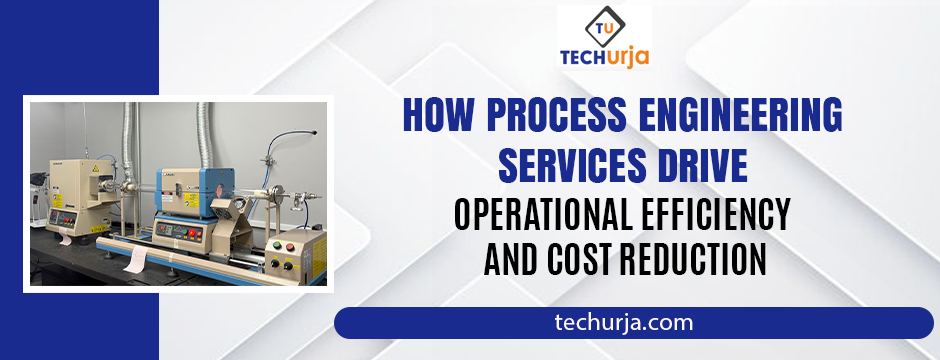
Businesses today are continually searching for new, innovative ways to improve their performance while managing their operating costs. Process engineering services allow organizations to maximize their operational efficiency and drive long-term bottom-line growth by providing a systematic, expert analysis of industrial processes; designing a new process layout; and refining existing ones for optimal performance.
Through process engineering, businesses can understand the way their industrial systems work; identify areas for improvement, such as waste elimination; and create a streamlined workflow from raw material to finished product that allows for maximized product throughput, while still maintaining the required levels of quality.
Not only does process engineering contribute to increased productivity, but it also directly affects the profitability and financial stability of an organization. By developing a structured approach to process engineering, organizations will create a foundation for future projects and ultimately reduce the risk of operational failure and loss of revenue due to downtime.
As the world of manufacturing and technology becomes increasingly more complex, organizations need the support of experienced process engineering professionals to help them navigate through these changes and capitalize on opportunities to expand their business operations and drive innovation within their field.
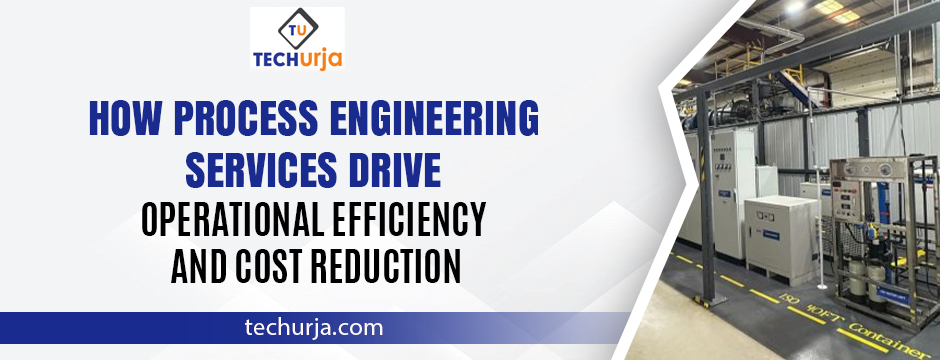
Understanding the Role of Process Engineering
Process engineering is the discipline of designing, analyzing, and optimizing industrial systems to ensure they operate efficiently and safely. It involves translating ideas into practical, scalable solutions that align with technical, financial, and operational goals.
Engineers evaluate every stage of production, from raw material handling to final output, to ensure systems perform at their best. This holistic approach allows organizations to anticipate bottlenecks, improve system reliability, and enhance overall performance.
Driving Operational Efficiency Through Smart Design
Operational efficiency begins with intelligent system design. When processes are engineered with clarity and precision, businesses benefit from smoother operations and fewer disruptions. This includes proper equipment selection, optimized layouts, and streamlined control systems.
Effective process optimization ensures that each component of an operation works in harmony. By reducing unnecessary steps and simplifying workflows, organizations can maximize throughput while maintaining quality standards. The result is faster execution, improved consistency, and better use of available resources.
Enhancing Manufacturing Performance
One of the most impactful benefits of process engineering is improved manufacturing efficiency. Well-engineered processes reduce cycle times, limit material waste, and improve equipment performance. This leads to higher output without increasing operational strain.
By applying data-driven analysis and engineering expertise, manufacturers can balance production capacity with demand, ensuring stability even during market fluctuations. Efficient manufacturing systems also improve worker safety and reduce maintenance-related disruptions.
Reducing Costs Without Compromising Quality
Successful engineering solutions can generate savings as a direct result. Process engineering services support customers by providing efficient use of resources and long-term sustainability rather than by taking shortcuts to save money. Identifying opportunities for efficiency earlier in the process helps to prevent costly mistakes later in production.
By applying cost reduction strategies across the board, organisations can reduce the amount of energy used in their facilities, waste less material during production and reduce the amount of time spent on production downtime. All of these improvements create an ‘excess’ of profit margin while still protecting the integrity of the product and compliance standards.
Improving Workflow and Operational Visibility
Well-defined and structured processes improve cross-departmental communication. When systems are organized to be clear, team members are better able to understand their responsibilities, and this leads to better decision-making.
Focusing on workflow improvement can create improved coordination between the machines being used, people and the company’s management system. Improved workflows decrease delays, provide a more accountable workforce, and create a more responsive organizational environment to adapt to changes in the marketplace.
From Concept to Execution: Engineering That Scales
Modern industries require solutions that grow alongside their ambitions. Process engineering supports scalability by designing systems that can be expanded or modified without major disruption.
This includes feasibility studies, front-end planning, and pilot testing to validate ideas before full-scale implementation. By addressing potential risks early, organizations reduce uncertainty and move forward with confidence.
Transforming Ideas into Scalable Engineering Solutions with TechUrja
At TechUrja, we specialize in delivering comprehensive, end-to-end process engineering services and equipment design solutions that support innovation at every stage. From early concept development to prototypes, pilot systems, and full-scale implementation, we help our clients turn ideas into operational success.
With a strong presence in the United States, Germany, and India, we offer global expertise combined with localized insight. Our services include Front-End Engineering Design (FEED), CAD modelling, and feasibility assessments for advanced process technologies across diverse industries.
By working with us, our clients gain a trusted engineering partner committed to efficiency, reliability, and long-term value.
Final Thoughts
In an era where efficiency and adaptability define success, investing in structured engineering solutions is no longer optional; it’s essential. Thoughtfully designed processes improve productivity, enhance reliability, and unlock sustainable savings across operations.
By leveraging expert process engineering services from TechUrja, organizations can reduce costs, streamline workflows, and strengthen operational resilience. From design to execution, these services provide a roadmap for smarter growth and lasting performance improvements.
Don’t let inefficiency hold you back! Dive deeper into the world of process engineering and how it drives success—read our last article on industrial design!
Frequently Asked Questions (FAQs)
- What are process engineering services?
It involves designing, analyzing, and improving industrial processes to enhance efficiency, safety, and performance across manufacturing and energy systems.
- How do these services help reduce operational costs?
They identify inefficiencies, reduce waste, optimize resource usage, and minimize downtime, leading to sustainable cost savings without sacrificing quality.
- What industries benefit from process engineering?
Industries such as manufacturing, energy, chemicals, and advanced technologies benefit significantly from structured process engineering solutions.
- What is Front-End Engineering Design (FEED)?
FEED focuses on early-stage planning, feasibility analysis, and system design to reduce project risks before full-scale implementation.
- Why choose a global engineering partner like TechUrja?
A global partner brings diverse expertise, proven methodologies, and scalable solutions tailored to meet regional and international project requirements.